
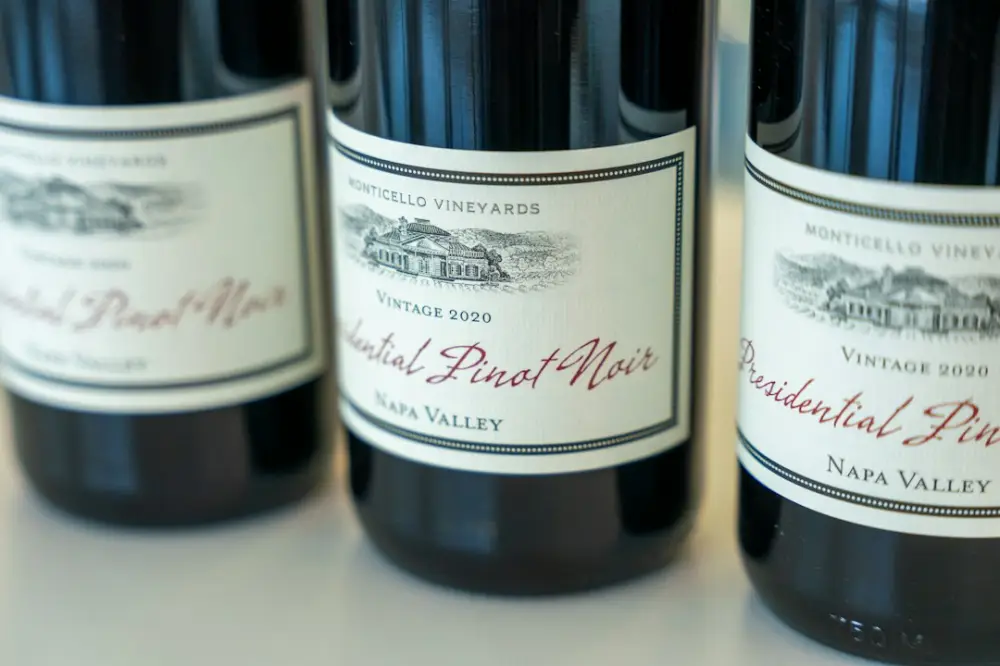
Understanding Pinot Noir styles involves identifying the specific characteristics of this thin-skinned, temperamental grape variety. Known for producing light- to medium-bodied red wines, Pinot Noir is defined by its high acidity, low tannins, and a primary flavor profile of red cherry, raspberry, and earthy forest floor that changes based on regional climate.
Identifying these variations is the first step in choosing boutique pinot noir for the cellar or dinner table. Because the grape is highly sensitive to its environment, a bottle from a cool coastal vineyard will offer a different structural experience than one from a sun-drenched valley, directly influencing how the wine pairs with specific fats and proteins.
Pinot Noir Characteristics and Profile
The physical makeup of the Pinot Noir grape dictates its final profile in the glass. Because the skins are thin, the wine typically possesses a translucent, ruby-to-garnet color rather than the deep opaque purple found in thicker-skinned varieties like Syrah or Cabernet Sauvignon. This thin skin also results in lower tannin levels, which translates to a smoother, less astringent mouthfeel. For the drinker, this means the wine feels lighter on the palate, making it accessible even for those who generally find red wines too heavy.
Acidity is the backbone of any quality Pinot Noir. It provides a refreshing quality that cleanses the palate, which is why it is often cited as one of the most food-friendly red wines. In a typical cool-climate bottle, you will find bright red fruit flavors—think cranberry, pomegranate, and tart cherry. In warmer regions, these flavors shift toward ripe strawberry and black cherry. Beyond the fruit, many styles exhibit savory notes. It is common to find hints of clove, tobacco, or wet leaves, especially as the wine begins to age. These secondary and tertiary traits are what separate a simple table wine from a complex boutique selection.
Why Pinot Noir is the 'Holy Grail' Grape
Winemakers often refer to Pinot Noir as the "heartbreak grape" or the "holy grail" because it is notoriously difficult to cultivate. The vine is susceptible to a wide range of issues, including rot, mildew, and late-spring frosts. Its thin skin makes it sensitive to temperature fluctuations and sun exposure; too much sun can shrivel the berries, while too little results in green, vegetal flavors that lack the desired fruit concentration. This difficulty is exactly why small batch wine is actually worth the investment, as it requires constant manual attention in the vineyard.
The grape is also genetically unstable and prone to mutation. This instability has led to the creation of other well-known varieties like Pinot Gris and Pinot Blanc. For the enthusiast, this means that even within a single vineyard, different clones of Pinot Noir can produce vastly different results. Some clones focus on aromatic intensity, while others provide better structure or color. Boutique producers often blend these clones to create a balanced bottle that represents the specific geography of their site rather than a standardized, mass-produced flavor profile.
Old World vs. New World Styles
The divide between Old World (primarily Europe) and New World (the Americas, Oceania, South Africa) styles is the most significant factor in understanding Pinot Noir. In the Old World, specifically Burgundy, France, the focus is often on terroir—the sense of place. These wines tend to be more bone-dry, with higher acidity and a noticeable earthiness. A classic Burgundian Pinot might smell more like a damp forest or mushrooms than fresh fruit. The structure is lean, and the alcohol content is generally lower, often hovering between 12.5% and 13.5%.
New World styles, such as those from the Russian River Valley in California or Central Otago in New Zealand, tend to be more fruit-forward and opulent. The warmer temperatures and consistent sunlight lead to riper grapes with higher sugar content, which results in higher alcohol levels, sometimes reaching 14.5% or more. These wines often feel "velvety" or "lush" on the tongue. While a bottle from Oregon’s Willamette Valley might bridge the gap with its balanced acidity and red fruit, a typical California Pinot Noir will lean into darker fruit notes like black plum and may have more pronounced oak influence, adding flavors of vanilla and toast.
Unique Variations and White Pinot Noir
While most people associate the grape with red wine, it is surprisingly versatile. Because the juice of the Pinot Noir grape is clear, winemakers can produce different styles by controlling the amount of time the juice spends in contact with the skins. If the skins are removed immediately after pressing, the result is a White Pinot Noir (sometimes called Vin Gris). This style is rarer and offers a weightier mouthfeel than a typical white wine, with notes of honeyed apricot and ginger, but without the tannins of a red.
Pinot Noir is also a cornerstone of sparkling wine production. In the Champagne region of France, it provides the structure and body for many of the world’s most prestigious bubbles. When you see a "Blanc de Noirs" label, it indicates a white sparkling wine made entirely from black grapes, usually Pinot Noir. Additionally, Rosé of Pinot Noir is highly regarded for its crispness and delicate strawberry aromas. These variations demonstrate that the grape is not a one-trick pony; its style can be manipulated in the cellar to suit everything from a summer aperitif to a heavy winter meal.
Choosing Your Style at Pinot by Tituss
Selecting the right bottle depends entirely on the occasion and the menu. If you are serving a fatty fish like grilled salmon or a dish featuring earthy ingredients like sautéed wild mushrooms, a cool-climate, high-acid Pinot Noir is the ideal companion. The acidity cuts through the fat of the fish, while the wine’s natural earthiness complements the savory profile of the fungi. For heavier meats like roasted duck or lamb, a riper New World style provides the necessary body and fruit intensity to stand up to the richer flavors of the dish.
At Pinot by Tituss, the focus remains on identifying these nuances within boutique selections that prioritize quality over volume. Understanding these styles allows you to move past generic labels and start looking for specific sub-regions or winemaking techniques that match your personal preference. Whether you prefer the austere, mineral-driven bottles of the Old World or the bold, fruit-centric expressions of the New World, recognizing how climate and handling shape the glass is key to a better tasting experience. By focusing on small-batch producers, you ensure that the specific traits of the Pinot Noir grape—its transparency, its elegance, and its complexity—are preserved from the vine to your table.