
Selecting the right premium wine is about more than price or label prestige. The perfect bottle reflects the setting, complements the menu, and enhances the overall experience. Whether you are hosting a formal dinner, attending a celebration, or enjoying a quiet evening, choosing wisely elevates the occasion.
Understanding key wine selection principles ensures confidence and balance in every pour.
What Defines a Premium Wine?
Premium wines are typically distinguished by:
- High-quality grape sourcing
- Careful vineyard management
- Controlled fermentation processes
- Balanced structure and complexity
- Aging potential
- Limited production or curated batches
While price can be an indicator, quality, craftsmanship, and harmony are far more important factors.
1. Consider the Occasion First
The event sets the tone for wine selection.
Formal Dinners
Opt for structured, complex wines with depth. Full-bodied reds or elegant aged whites often complement multi-course meals.
Celebrations and Milestones
Sparkling wines or refined blends add a sense of occasion and festivity.
Casual Gatherings
Approachable yet refined wines with balanced acidity and moderate tannins work best for relaxed environments.
Intimate Evenings
Choose expressive wines with layered aromas and smooth finishes to enhance conversation and atmosphere.
Matching wine intensity to event formality creates a seamless experience.
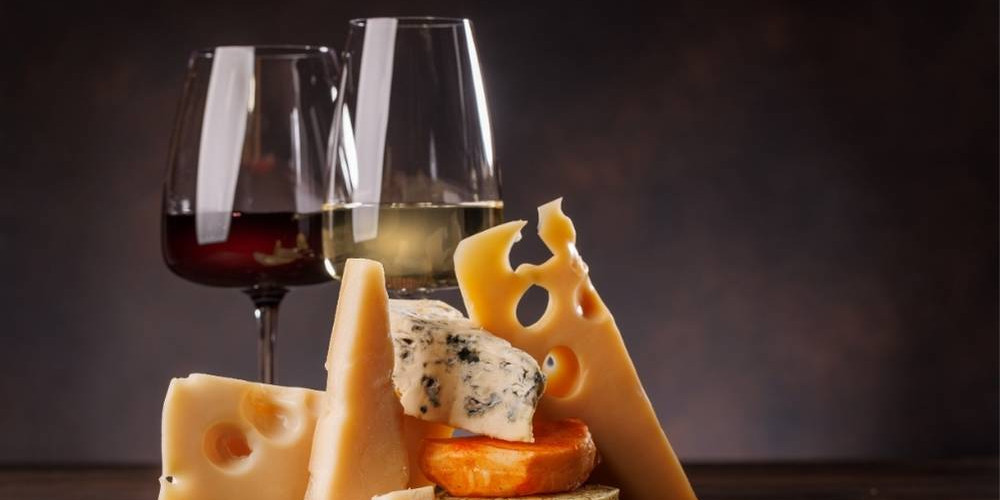
2. Pair Wine with the Menu
Food pairing significantly influences wine enjoyment.
Red Meat Dishes
Structured red wines with firm tannins complement rich proteins.
Seafood and Light Poultry
Crisp whites or lightly oaked options enhance delicate flavours.
Cream-Based Sauces
Medium-bodied wines with balanced acidity prevent palate fatigue.
Spicy Cuisine
Off-dry or fruit-forward wines help balance heat.
Harmony between food and wine enhances both elements.

3. Evaluate Body and Structure
Understanding wine structure simplifies selection.
- Light-bodied wines feel delicate and refreshing.
- Medium-bodied wines offer balance and versatility.
- Full-bodied wines provide richness and intensity.
Consider tannins (in reds), acidity (in whites), sweetness levels, and alcohol balance. Premium wines typically exhibit structural harmony rather than overpowering dominance in one element.
4. Assess Flavor Profile Preferences
Premium wines vary widely in flavour expression.
Common profiles include:
- Fruity and vibrant
- Earthy and mineral-driven
- Floral and aromatic
- Oak-influenced and smoky
- Spicy and bold
Choosing a wine aligned with your personal or guests’ taste preferences ensures satisfaction.
5. Understand Vintage Influence
Vintage reflects the climate conditions of a specific harvest year.
Some years produce:
- Higher acidity wines
- More concentrated fruit
- Softer tannins
- Greater aging potential
While not always critical for casual settings, vintage can influence complexity and long-term value in premium selections.
6. Match Wine to Season
Seasonal alignment enhances enjoyment.
- Spring & Summer: Lighter whites, rosés, and sparkling wines
- Autumn: Medium-bodied reds and structured whites
- Winter: Full-bodied reds with depth and warmth
Seasonal pairing supports comfort and flavour synergy.
7. Consider Aging Potential
Some premium wines are crafted for immediate enjoyment, while others benefit from cellaring.
If selecting for:
- Immediate consumption → Choose balanced, ready-to-drink options
- Gift or collection → Consider wines with aging structure (good acidity and tannin balance)
Understanding aging potential ensures proper timing.
8. Balance Prestige with Practicality
While well-known regions and labels often indicate quality, lesser-known producers can offer exceptional value.
When choosing a premium wine:
- Focus on craftsmanship and balance
- Evaluate reviews and expert recommendations
- Consider small-batch or limited releases
- Avoid selecting solely based on brand recognition
True premium quality lies in structure, balance, and authenticity.
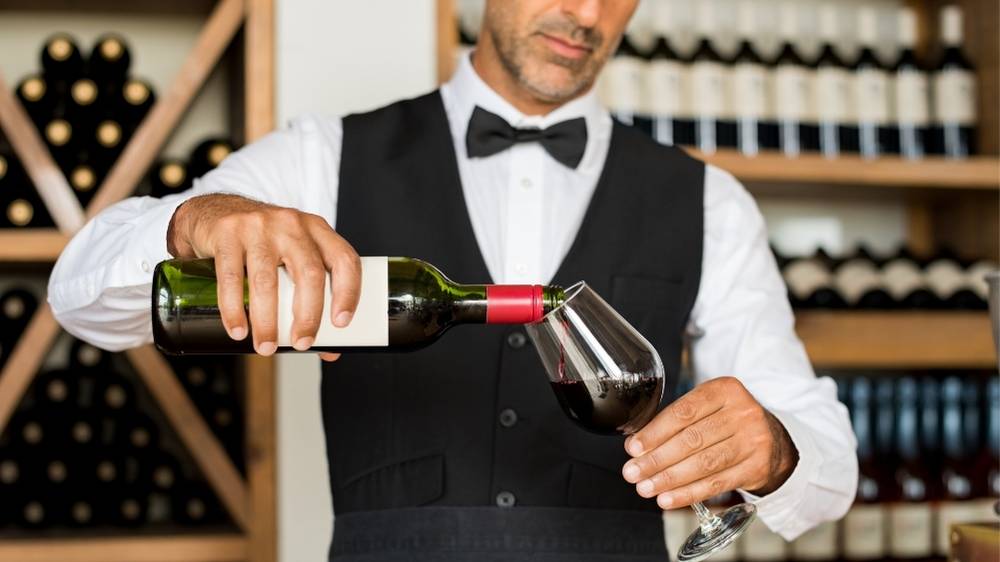
9. Presentation and Serving Matter
Selecting the right wine is only part of the experience.
Ensure:
- Proper serving temperature
- Correct glassware
- Adequate decanting (if needed)
- Appropriate storage before serving
Presentation enhances aroma expression and flavour clarity.
Strategic Takeaway
Choosing the right premium wine for any occasion requires thoughtful alignment between event, food, season, structure, and personal preference.
By focusing on:
- Occasion context
- Food pairing harmony
- Body and balance
- Flavor profile
- Vintage and aging potential
you create a refined and memorable experience.
Premium wine selection is not about complexity for its own sake — it is about balance, intention, and enhancing the moment. With a structured approach, every occasion can be elevated through the right bottle.