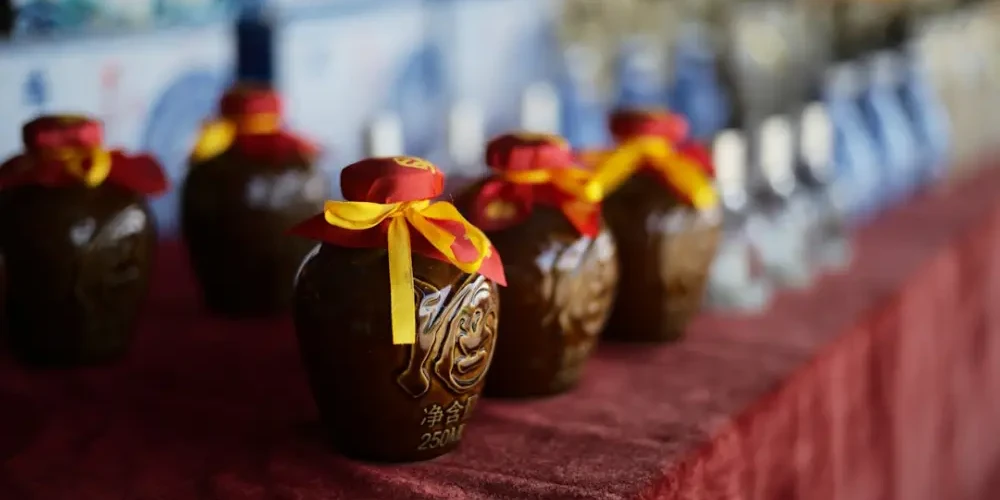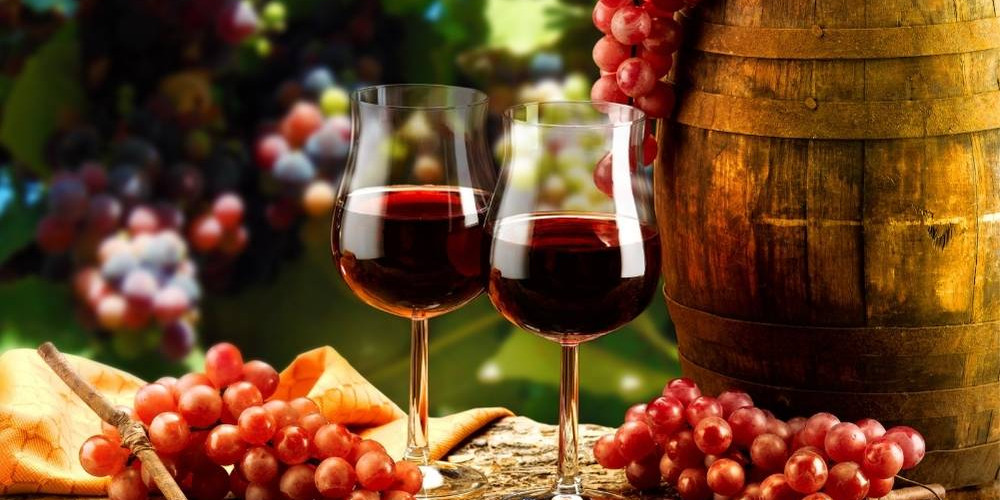

Boutique wines are celebrated for their craftsmanship, limited production, and distinctive character. Unlike mass-produced bottles, they often highlight specific vineyard expressions, unique blends, and carefully controlled fermentation techniques. Because of their nuanced profiles, pairing boutique wines with food requires a thoughtful approach.
A well-matched pairing enhances both the dish and the wine, creating balance, contrast, and harmony on the palate.
What Makes Boutique Wines Unique?
Boutique wines typically feature:
- Small-batch production
- Vineyard-specific sourcing
- Minimal intervention techniques
- Distinctive flavor expression
- Greater emphasis on terroir
Their individuality makes them ideal for intentional, curated food pairings rather than generic matches.
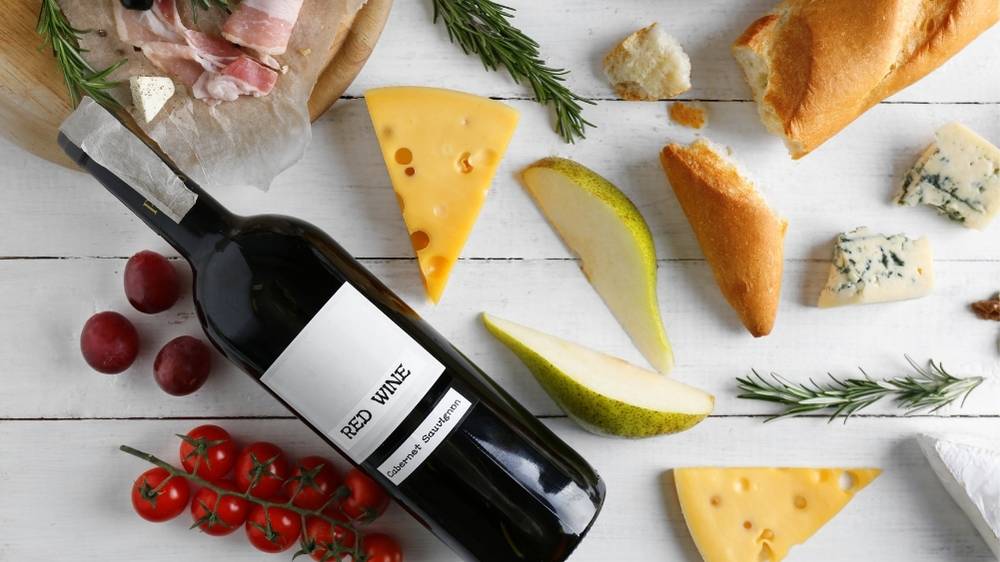
The Core Principles of Wine and Food Pairing
Before diving into specific matches, it is essential to understand the foundational principles:
- Balance intensity – The weight of the wine should match the richness of the dish.
- Complement or contrast flavors – Pair similar flavor profiles or create appealing contrast.
- Consider acidity and tannins – Structural elements influence how wine interacts with food.
- Mind sweetness levels – Wine should be at least as sweet as the dish when pairing with desserts.
These guidelines apply broadly but are especially important when working with boutique wines that often have pronounced character.
Pairing Boutique Red Wines
Light to Medium-Bodied Boutique Reds
These wines often feature bright acidity and soft tannins.
Pair with:
- Herb-roasted chicken
- Grilled vegetables
- Mushroom-based dishes
- Charcuterie boards
The wine’s freshness complements earthy and lightly seasoned foods without overwhelming them.
Full-Bodied Boutique Reds
Bold reds with structured tannins and layered complexity pair well with rich dishes.
Pair with:
- Grilled steak
- Braised short ribs
- Lamb dishes
- Aged cheeses
Tannins bind with protein and fat, softening the wine’s structure and enhancing depth.
Pairing Boutique White Wines
Crisp and Mineral-Driven Whites
High-acidity boutique whites offer freshness and vibrancy.
Pair with:
- Oysters and shellfish
- Light salads
- Citrus-marinated seafood
- Fresh goat cheese
The acidity cuts through delicate flavors while highlighting freshness.
Oaked or Textured Whites
These wines may show notes of vanilla, toast, or creaminess.
Pair with:
- Roasted poultry
- Cream-based pasta
- Butter-poached seafood
- Soft-rind cheeses
The richness of the wine mirrors the texture of the dish.
Pairing Boutique Rosé and Sparkling Wines
Boutique Rosé
Often dry and fruit-forward, boutique rosé is versatile.
Pair with:
- Mediterranean cuisine
- Grilled fish
- Tapas-style dishes
- Light pasta
Its balance of acidity and fruit makes it adaptable across many dishes.
Boutique Sparkling Wines
Fine bubbles and bright acidity cleanse the palate.
Pair with:
- Fried appetizers
- Sushi
- Soft cheeses
- Light desserts
Sparkling wines provide contrast and refreshment.
Matching Wine to Cooking Methods
Cooking technique influences pairing success.
- Grilled foods pair well with wines that have smoky or earthy undertones.
- Roasted dishes match structured wines with depth.
- Cream-based sauces require wines with balancing acidity.
- Spicy dishes benefit from fruit-forward wines with moderate alcohol.
Understanding preparation style refines pairing precision.
Regional Pairing Approach
A helpful strategy is pairing wines with cuisine from the same region. Boutique wines often reflect local terroir, which naturally complements traditional dishes from that area.
This method often produces harmonious results because regional ingredients evolve alongside regional winemaking traditions.
Balancing Acidity, Tannin, and Sweetness
When selecting boutique wines for pairing:
- High acidity enhances fatty or rich dishes.
- Tannins soften with protein-rich foods.
- Sweeter wines balance salty or spicy elements.
- Alcohol intensity should not overpower delicate dishes.
Structure matters as much as flavor.
Experimentation and Personal Preference
While guidelines provide structure, personal taste ultimately determines the best pairing. Boutique wines are crafted to express individuality — embracing experimentation allows you to discover unique combinations.
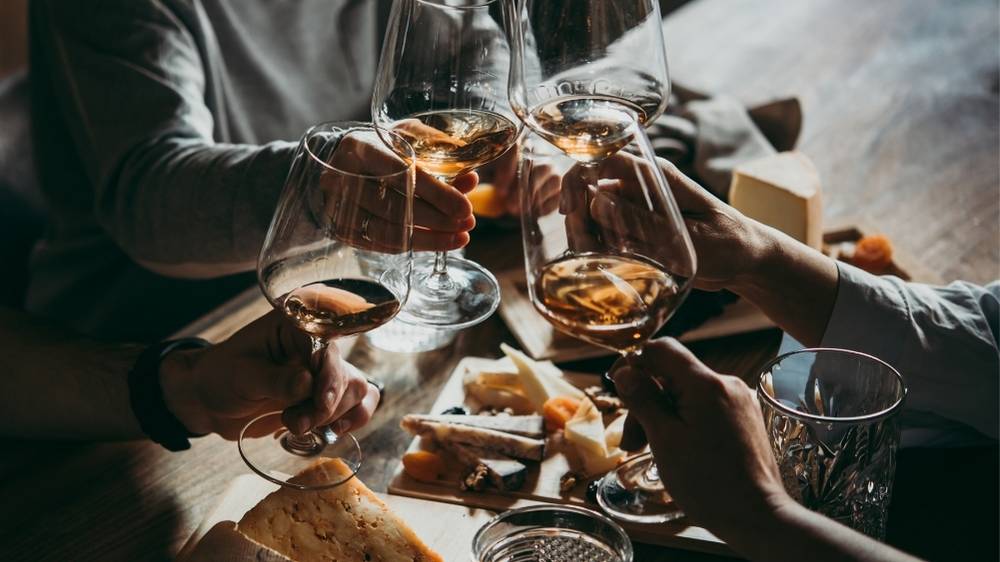
Hosting tasting sessions with small plates encourages exploration and deeper appreciation of wine characteristics.
Strategic Takeaway
Matching boutique wines with food is an intentional process that considers balance, structure, and flavor harmony.
By focusing on:
- Intensity alignment
- Structural balance
- Cooking methods
- Regional compatibility
- Personal preference
you elevate both the wine and the dining experience.
Boutique wines deserve thoughtful pairing. When matched carefully, they transform a meal into a refined and memorable occasion.