
Premium wine today is the result of both tradition and innovation. While terroir, grape variety, and craftsmanship remain fundamental, modern winemaking techniques have significantly enhanced precision, consistency, and quality. From vineyard management to fermentation technology, contemporary methods allow winemakers to refine flavor profiles while preserving authenticity.
Understanding how modern techniques influence production provides insight into why today’s premium wines achieve such depth, balance, and complexity.
The Evolution of Winemaking
Winemaking has progressed from purely manual processes to highly controlled, data-informed systems. This evolution does not replace tradition — it enhances it.
Modern innovation supports:
- Greater consistency across vintages
- Improved fermentation control
- Enhanced flavour preservation
- Reduced production risks
- Sustainable vineyard management
Premium wine production now combines heritage knowledge with scientific precision.
1. Precision Viticulture in the Vineyard
Quality wine begins in the vineyard. Modern viticulture uses advanced tools to optimise grape health and yield.
Techniques include:
- Soil analysis and mapping
- Drone and satellite monitoring
- Microclimate tracking
- Precision irrigation systems
- Selective harvesting methods
These technologies allow growers to respond to environmental conditions in real time, ensuring grapes reach optimal ripeness and balance.
2. Controlled Fermentation Technology
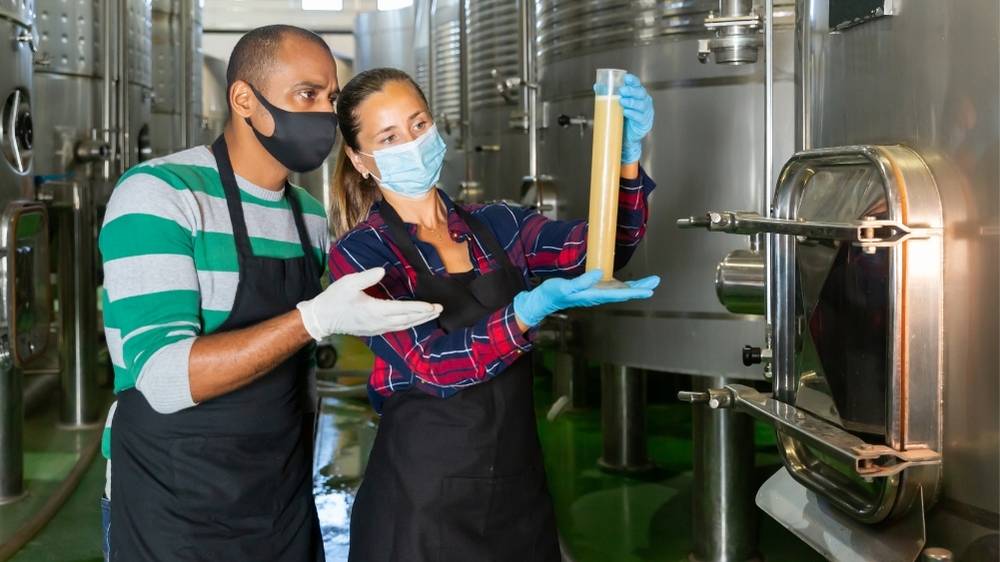
Fermentation is one of the most critical stages in winemaking.
Modern wineries use:
- Temperature-controlled stainless steel tanks
- Automated monitoring systems
- Selected yeast strains
- Micro-oxygenation techniques
Precise temperature regulation prevents undesirable flavour compounds and preserves aromatic integrity. Yeast selection influences texture, aroma complexity, and alcohol balance.
Controlled fermentation contributes significantly to consistency in premium wines.
3. Advanced Sorting and Crushing Methods
Before fermentation begins, grape sorting plays a vital role in quality control.
Modern techniques include:
- Optical sorting machines
- Gentle destemming equipment
- Gravity-flow processing systems
These methods reduce oxidation, prevent damage to grape skins, and remove underripe or imperfect fruit, enhancing overall purity.
4. Oak Innovation and Barrel Management
Oak aging remains central to premium wine production, but modern barrel management has become more refined.
Innovations include:
- Custom-toasted barrels
- Hybrid oak vessels
- Alternative aging formats
- Controlled humidity storage
Winemakers now carefully calibrate oak influence to complement fruit expression rather than overpower it.
5. Sustainable and Organic Practices
Sustainability is increasingly important in premium wine production.
Modern techniques support:
- Organic farming methods
- Biodynamic vineyard practices
- Reduced water consumption
- Renewable energy usage
- Natural pest management systems
Sustainable approaches not only protect ecosystems but also enhance long-term vineyard health and grape quality.
6. Data-Driven Quality Control
Advanced laboratory testing ensures chemical balance and stability.
Winemakers monitor:
- Sugar levels (Brix)
- Acidity (pH and titratable acidity)
- Tannin structure
- Alcohol levels
- Sulphur management
Data-driven analysis reduces spoilage risk and ensures structural harmony in the finished wine.
7. Micro-Vinification for Small-Batch Excellence
Premium producers often use small-batch fermentation methods to maintain control over individual vineyard plots.
Benefits include:
- Enhanced flavour precision
- Greater terroir expression
- Flexible blending decisions
- Vintage-specific refinement
Micro-vinification allows winemakers to highlight the nuances of specific vineyard blocks.
8. Blending as a Strategic Craft
Blending remains both an art and a science.
Modern techniques assist in:
- Analytical profiling of each lot
- Sensory evaluation panels
- Digital blending simulations
- Structured tasting protocols
These methods help achieve balance between acidity, tannins, fruit intensity, and structure.
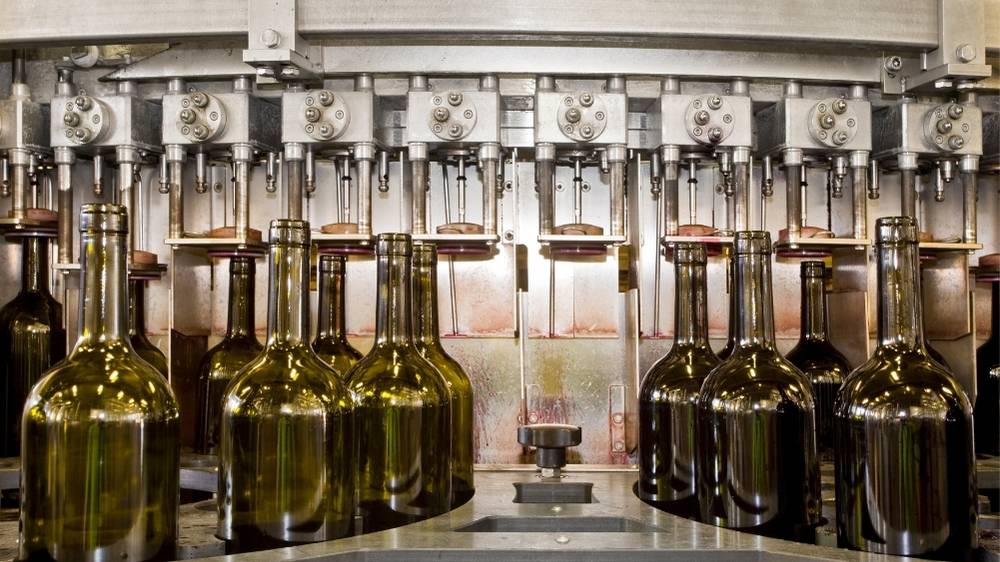
9. Bottling and Preservation Advancements
Modern bottling processes ensure longevity and quality preservation.
Innovations include:
- Oxygen management systems
- Advanced filtration technology
- Improved cork and closure options
- Controlled bottling environments
Minimising oxygen exposure preserves flavour complexity and aging potential.
The Balance Between Tradition and Innovation
While technology enhances precision, craftsmanship remains central to premium wine production. Modern techniques do not replace intuition — they support it.
The best premium wines reflect:
- Vineyard character
- Climate influence
- Skilled blending
- Controlled fermentation
- Sustainable practices
Technology simply enables winemakers to express these elements more consistently and confidently.
Strategic Takeaway
Modern winemaking techniques shape today’s premium wines by improving precision, sustainability, and quality control across every stage of production.
From precision viticulture to advanced fermentation and data-driven blending, contemporary innovation ensures that premium wines achieve greater balance, complexity, and longevity.
In today’s wine landscape, excellence emerges from the seamless integration of tradition and technology — producing bottles that reflect both heritage and forward-thinking craftsmanship.